A Liminal Space
- In Between a Dream and Reality
By Sara Rosenberg
This photographic series continues my exploration of the liminal space between fantasy and reality and my Phantoms project.
.jpg)
ABOUT THE PHOTOS
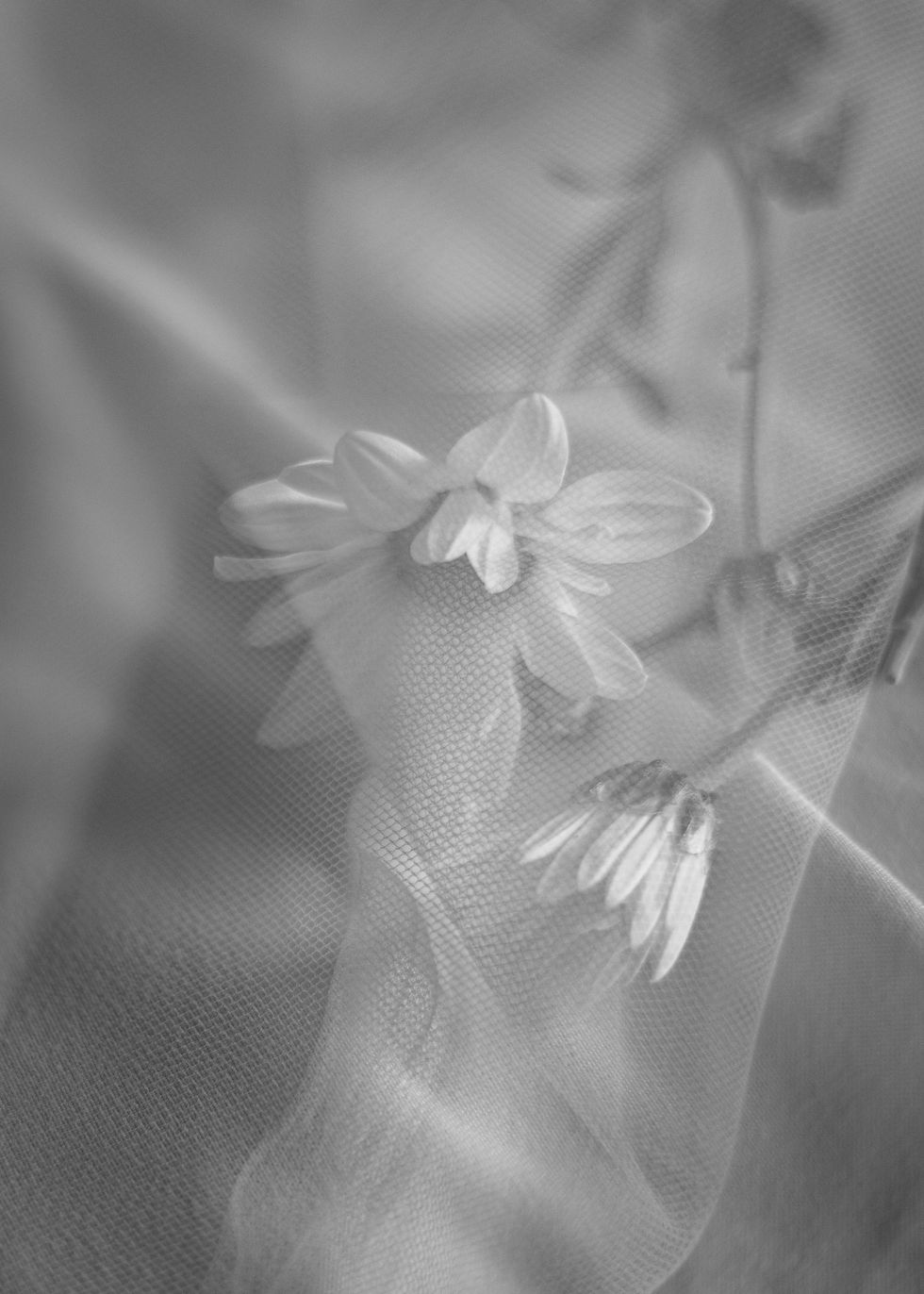
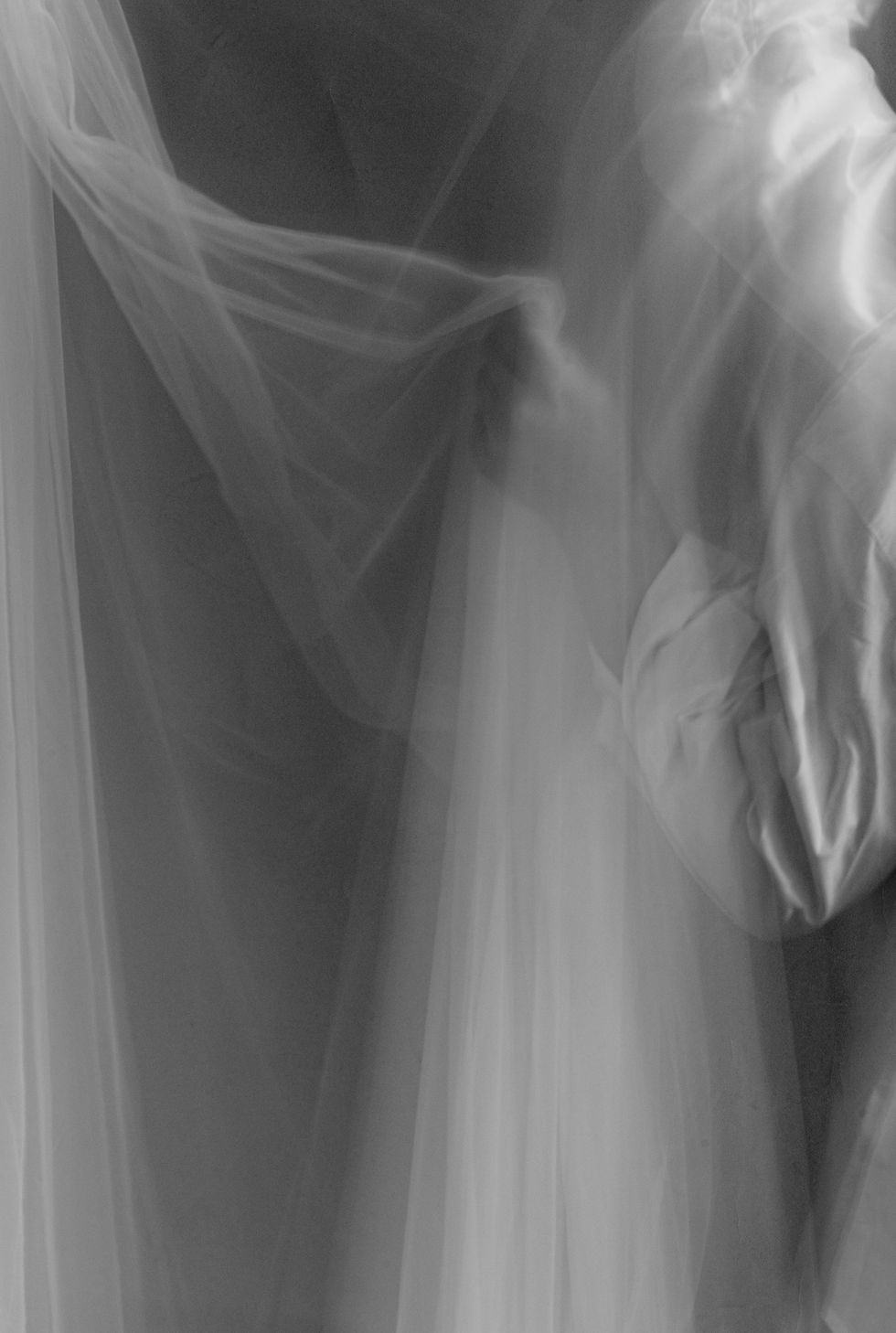
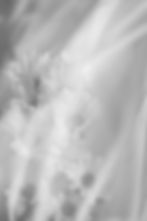
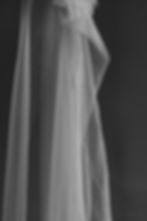
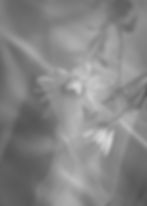
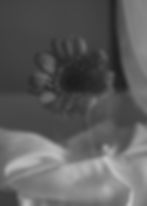
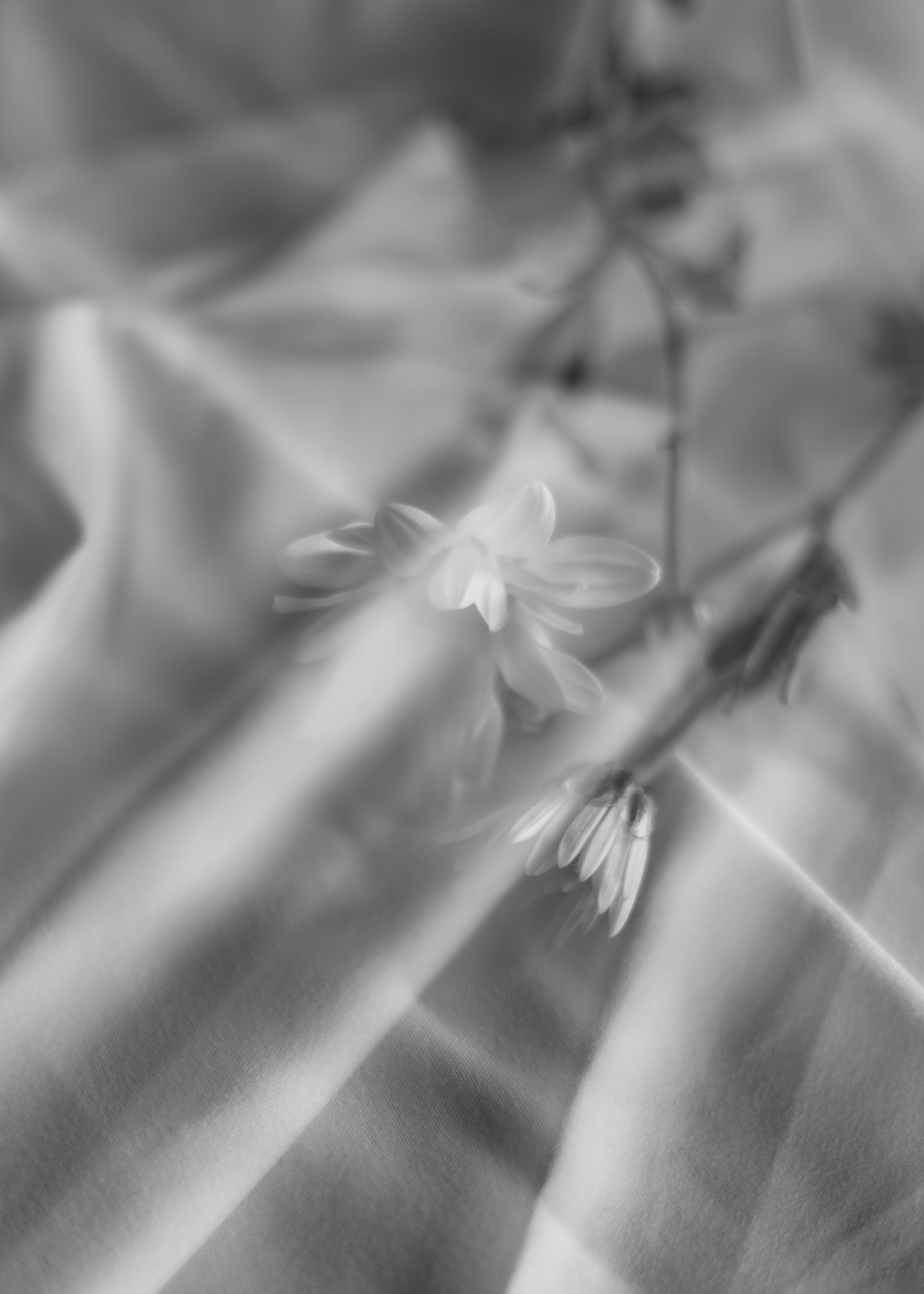
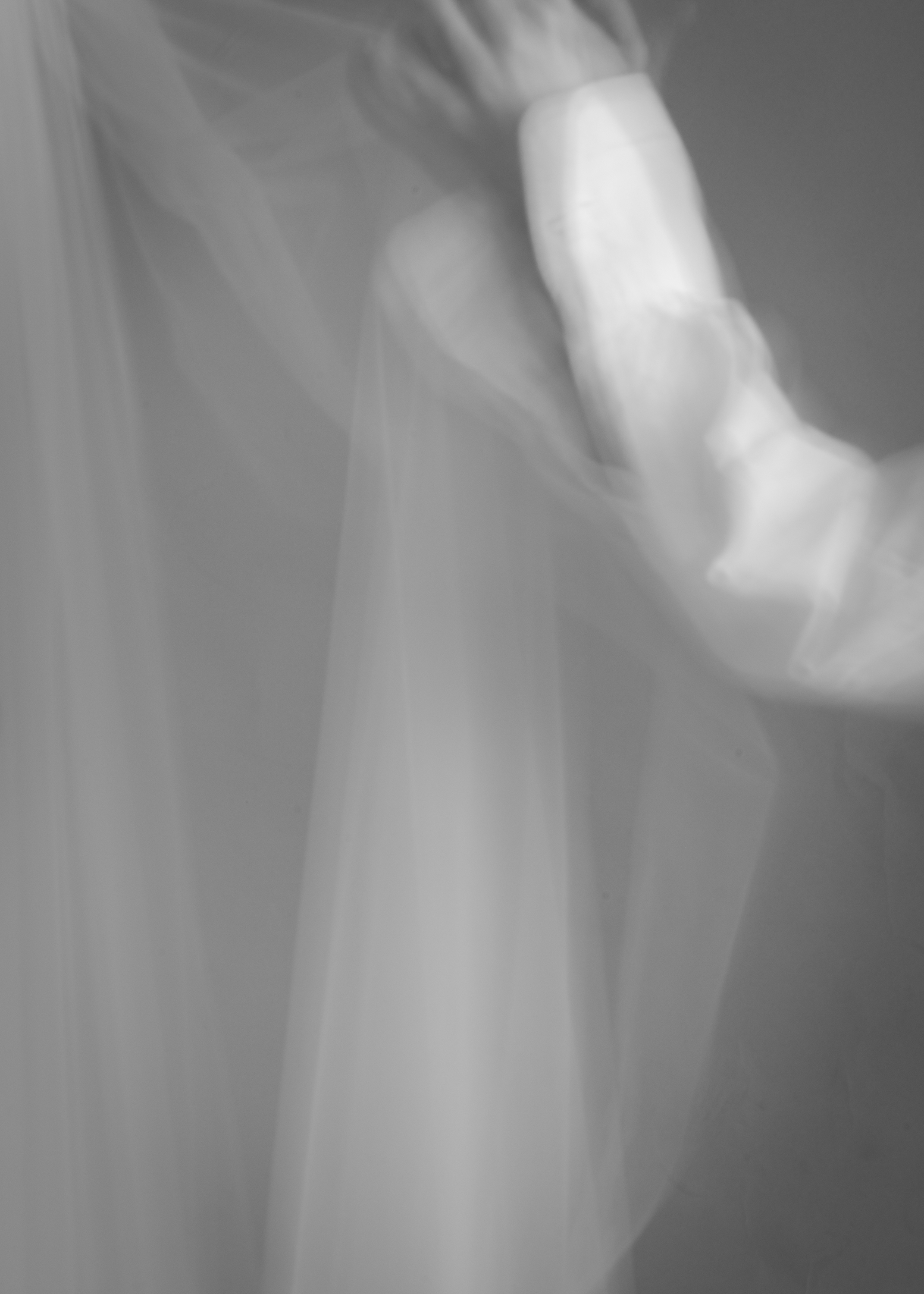
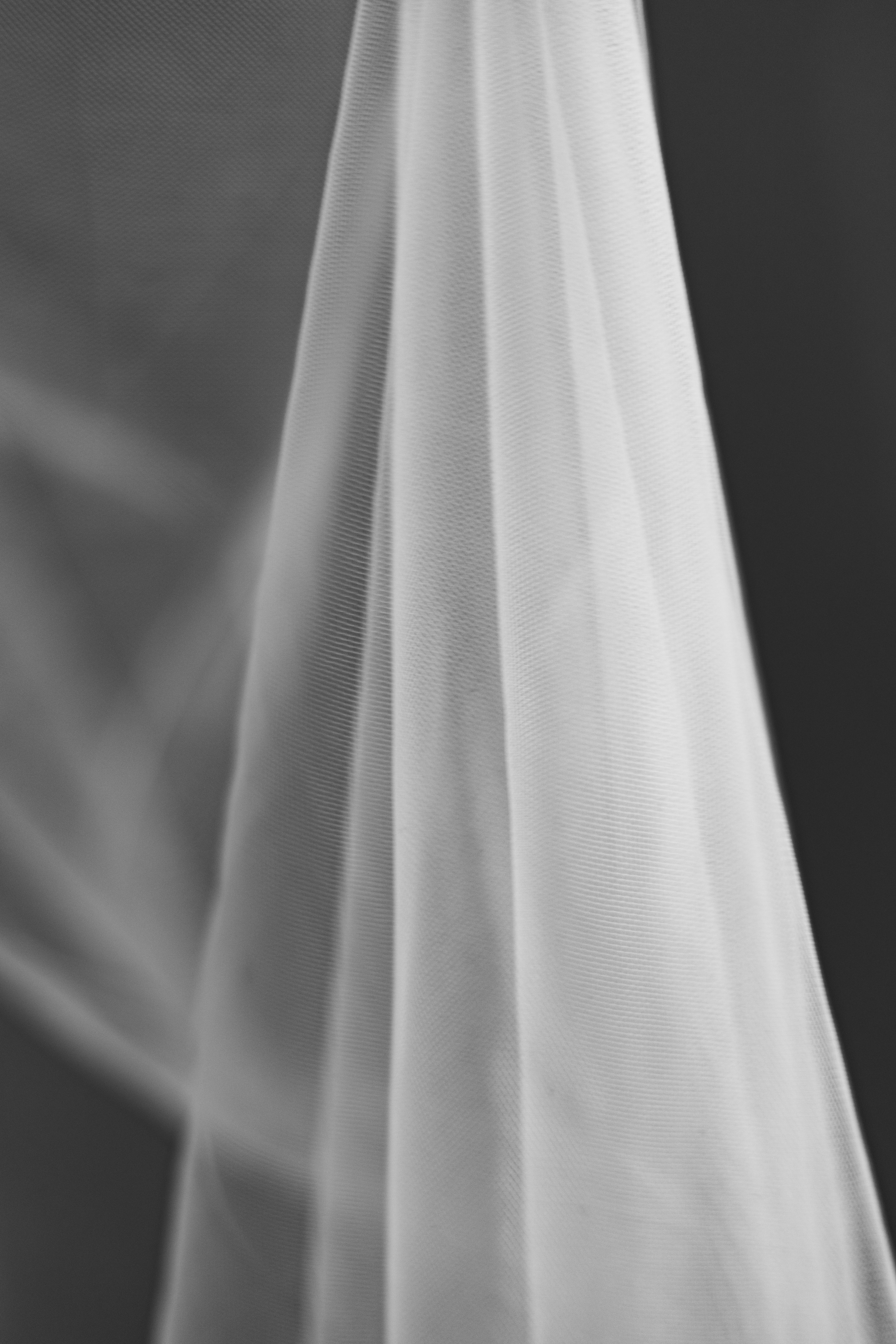
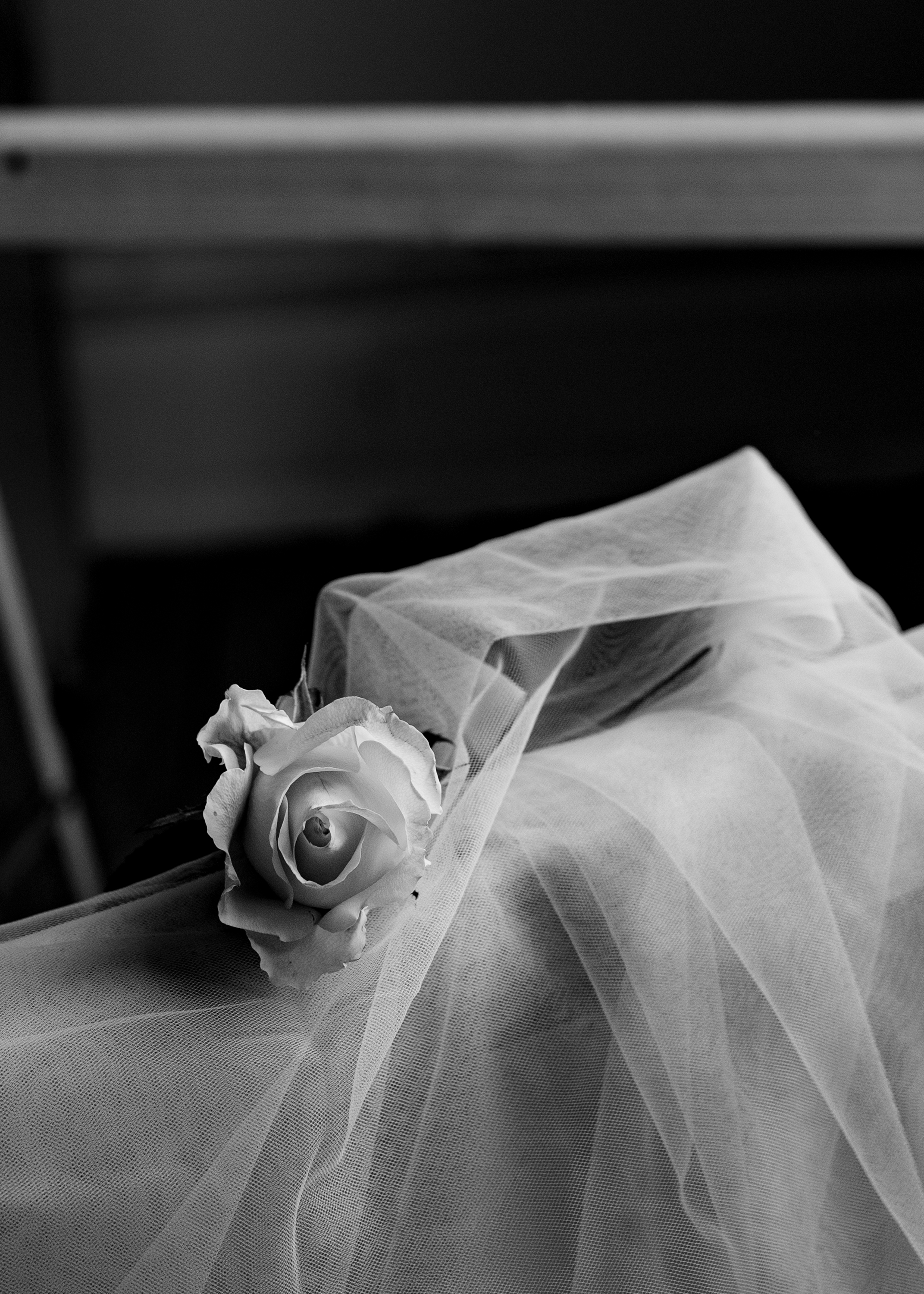
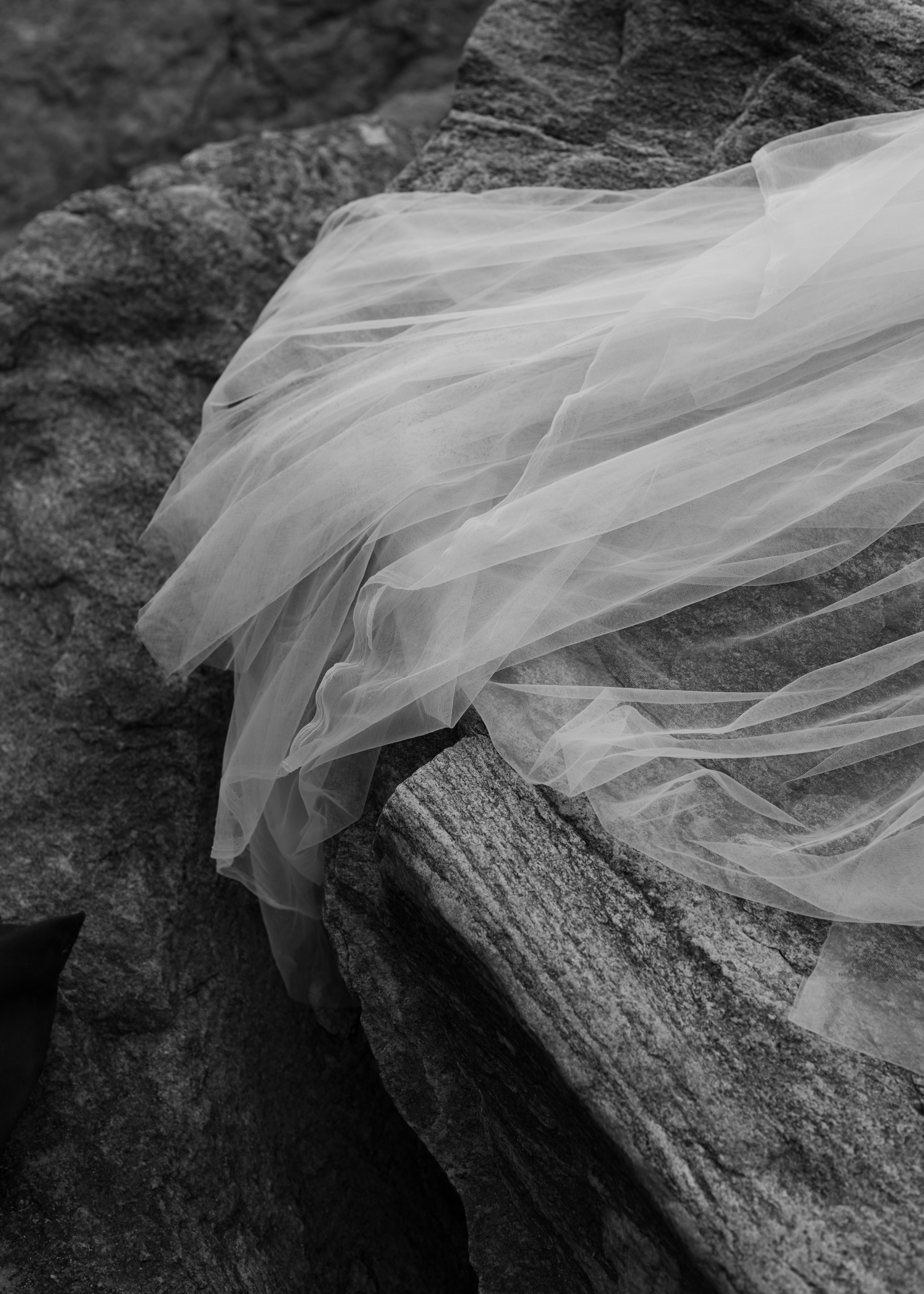
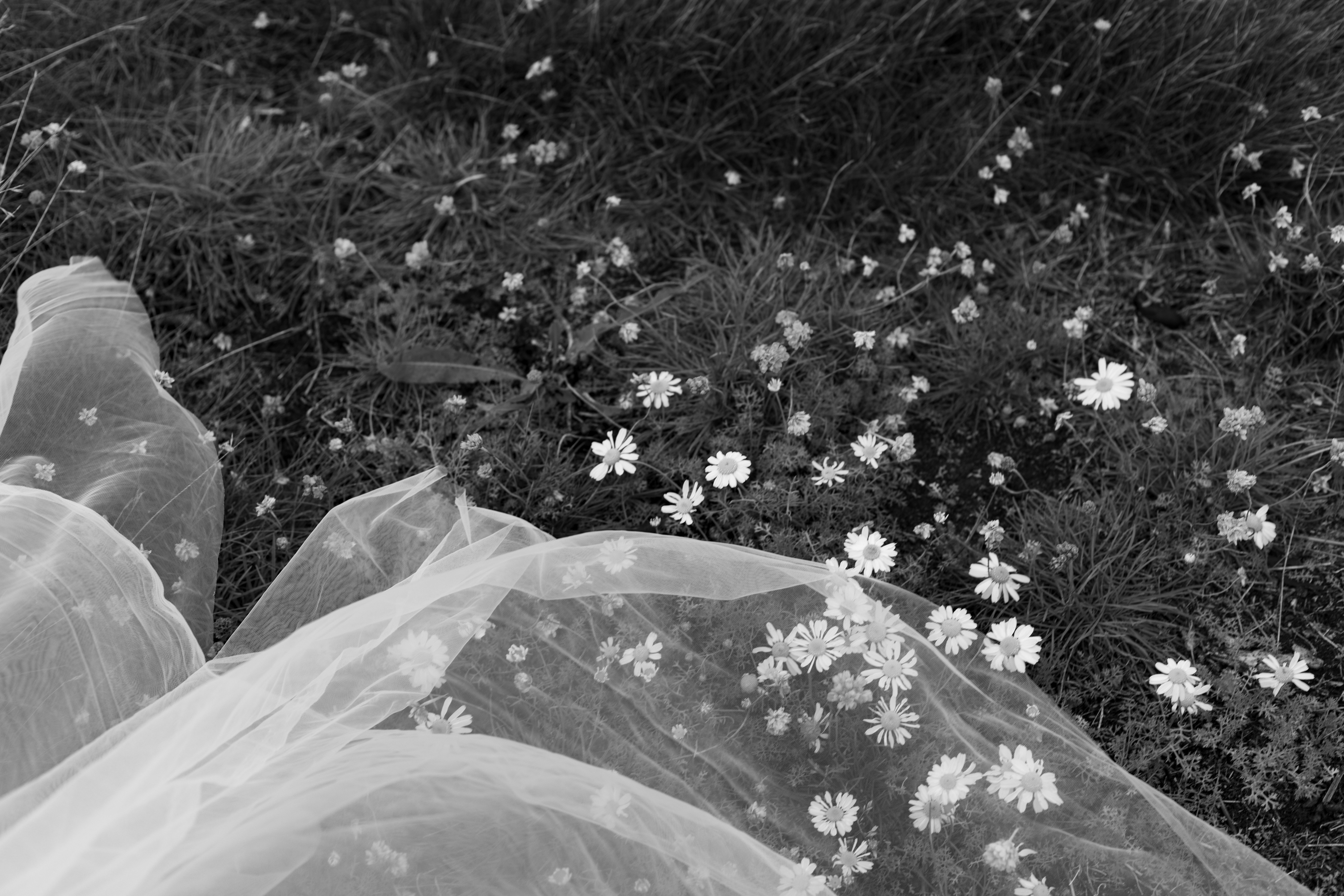
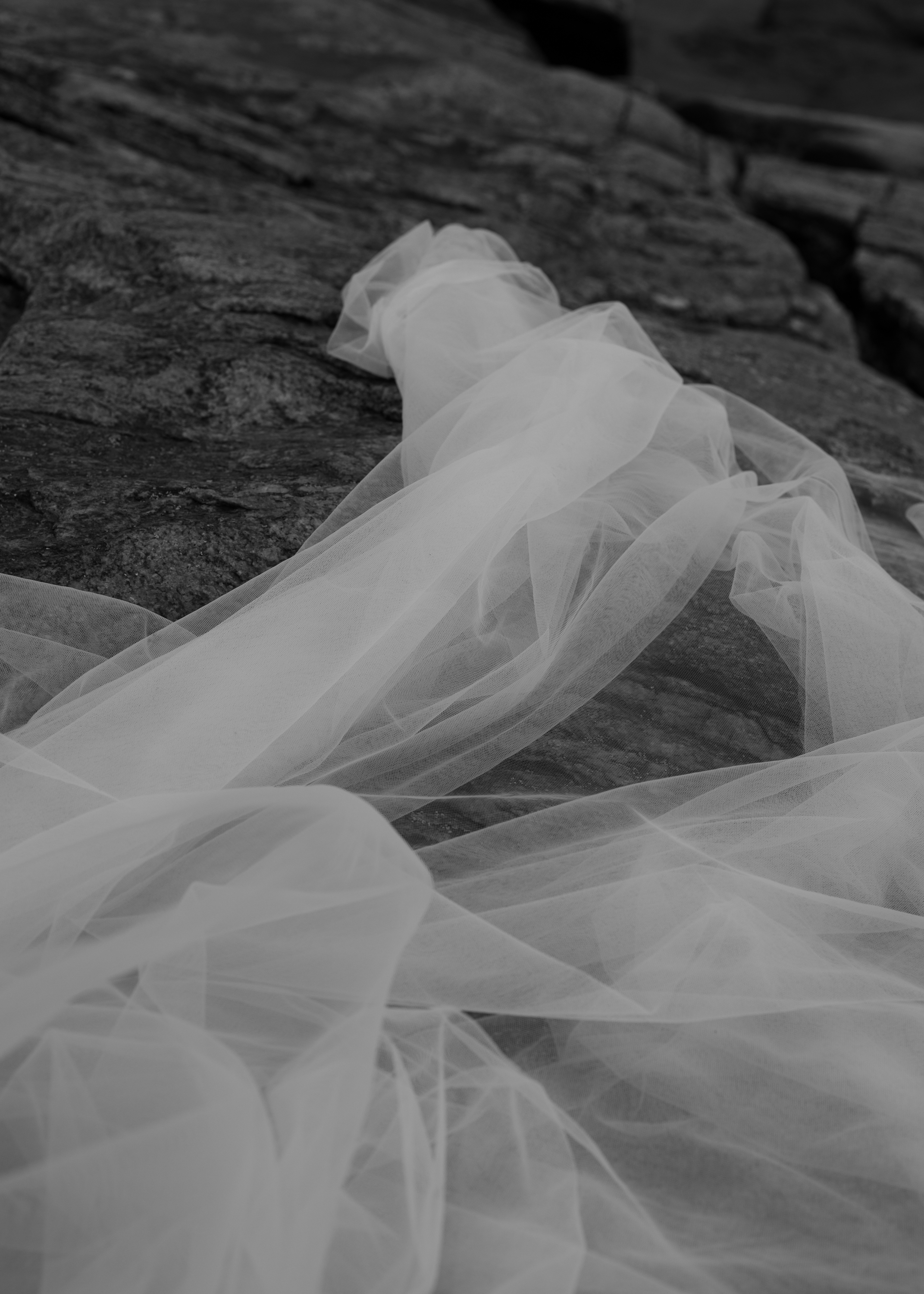
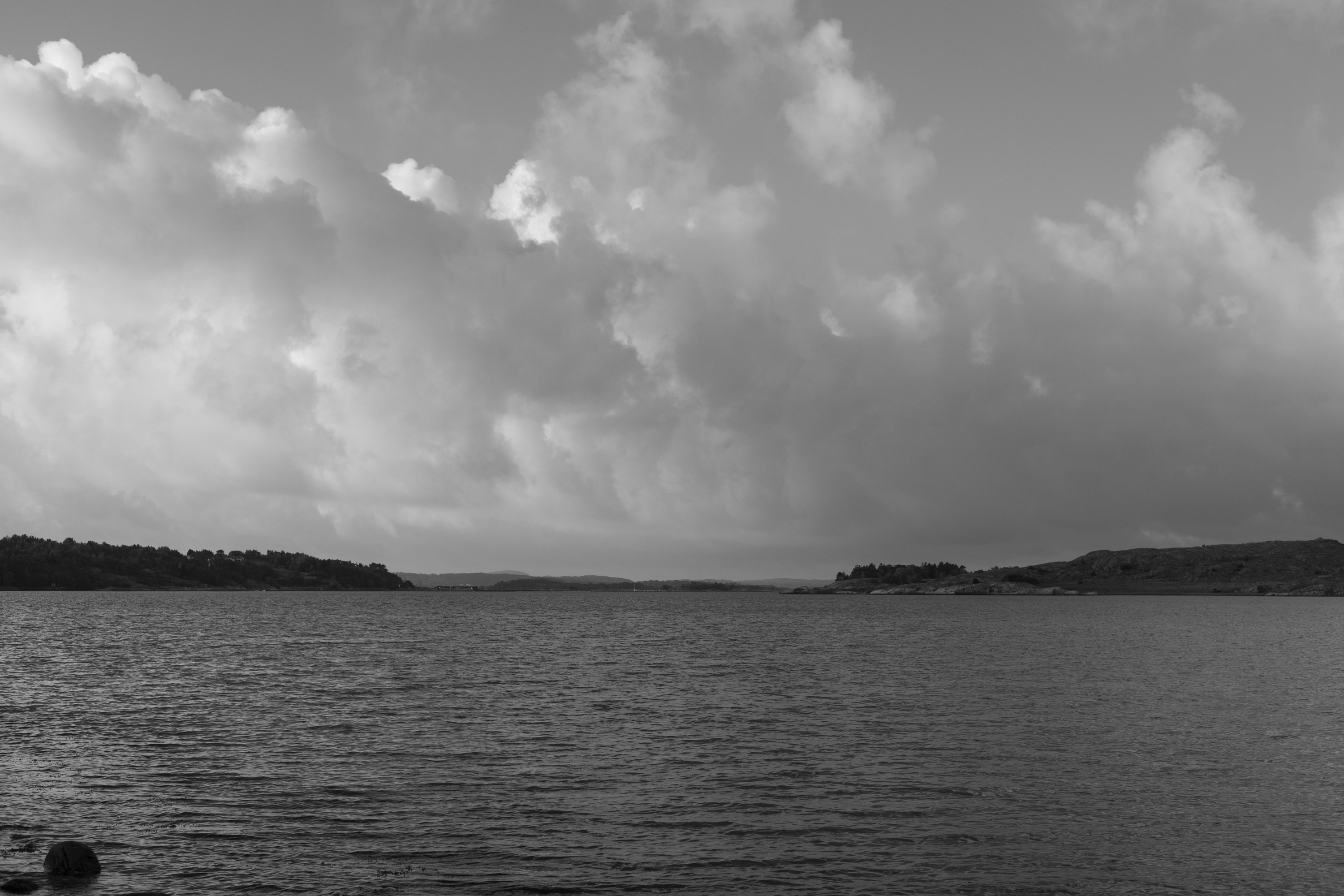
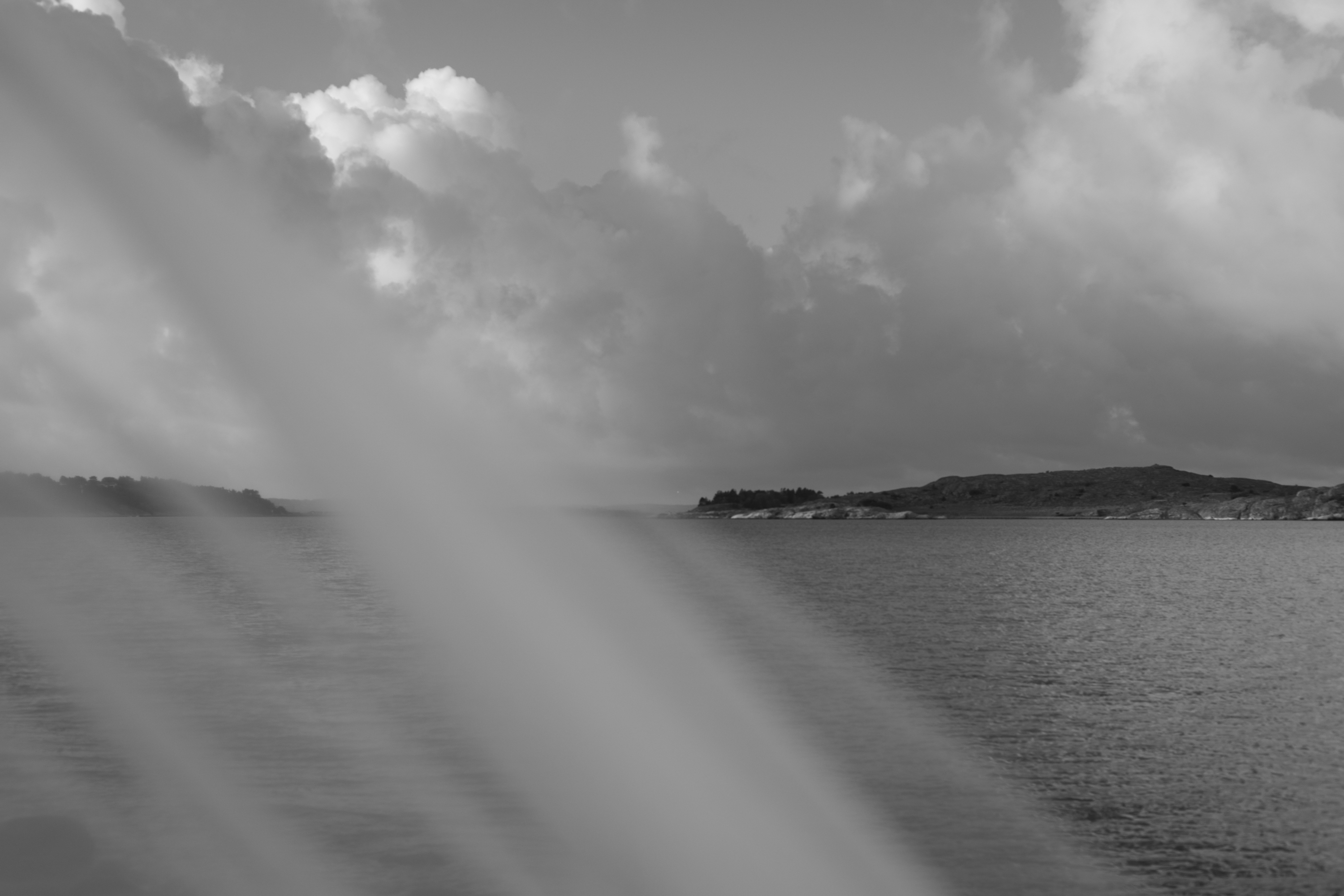
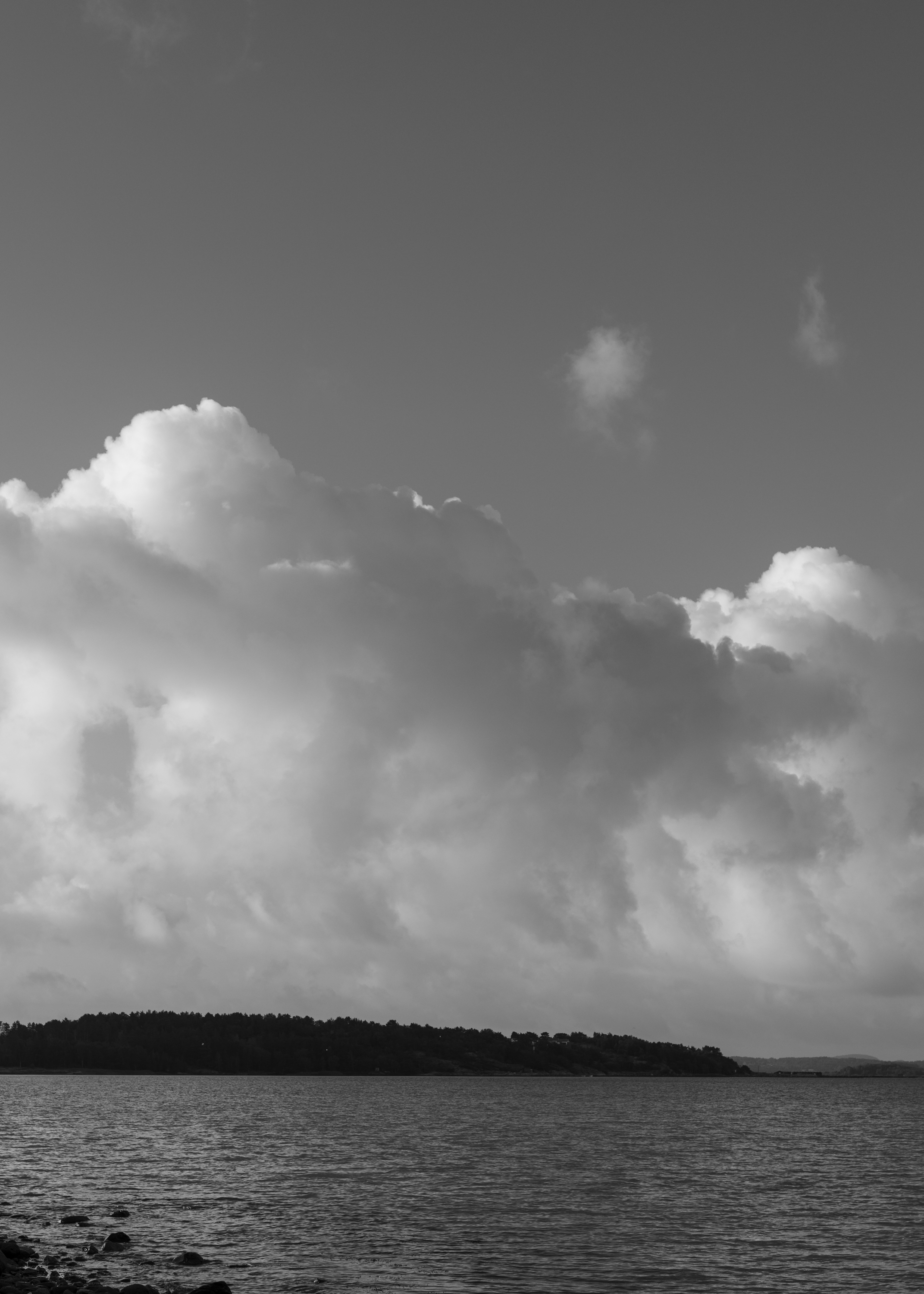
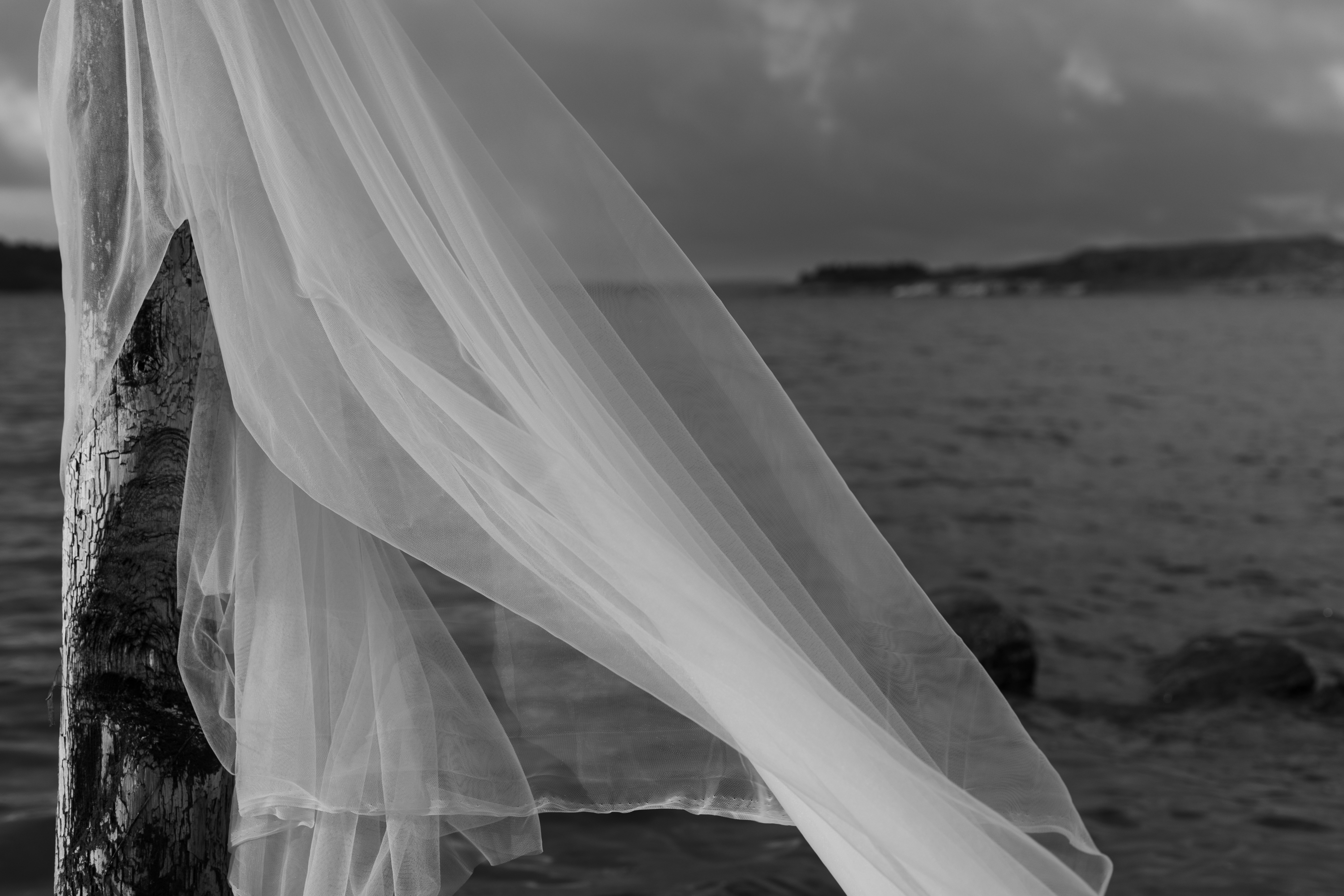
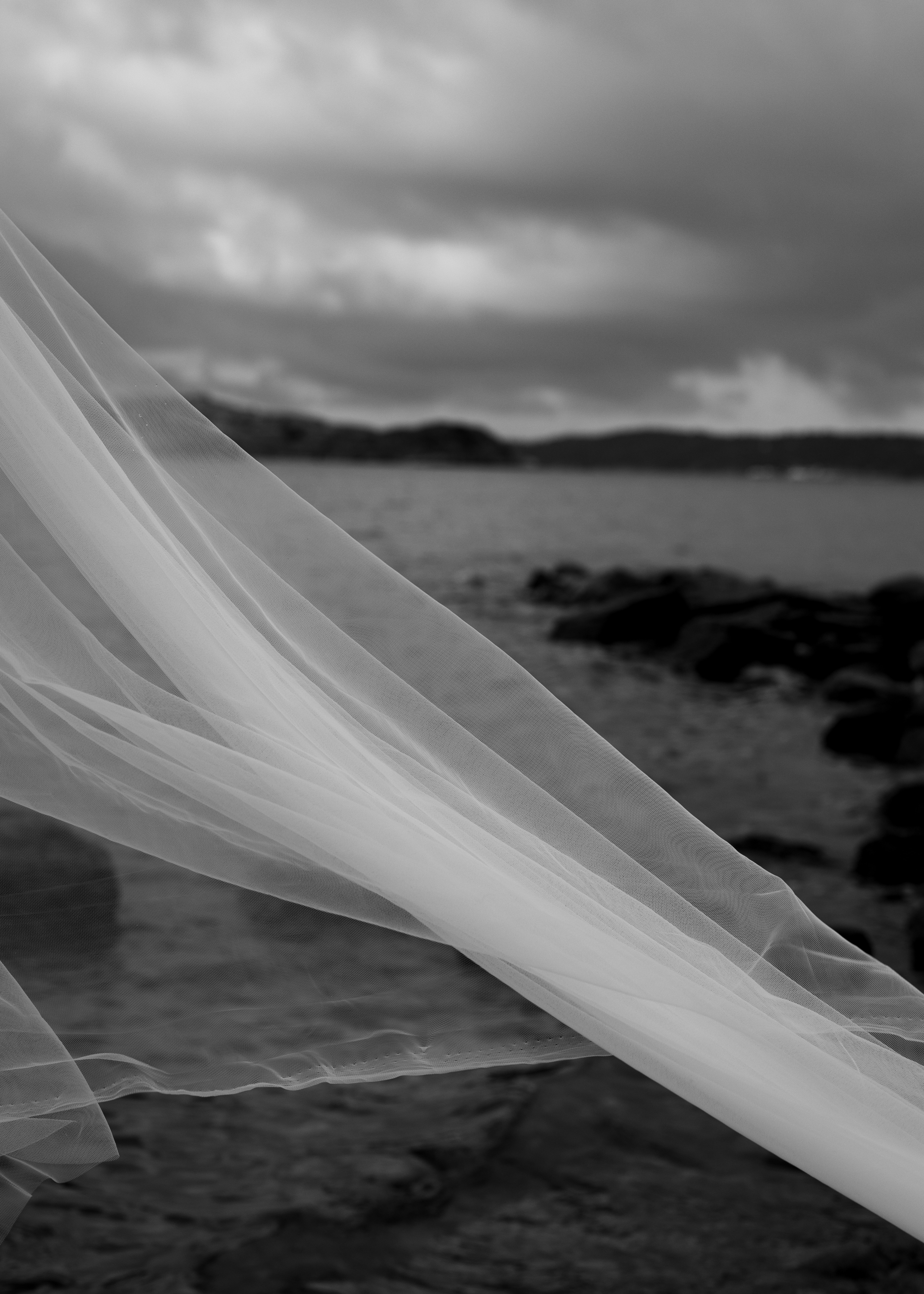
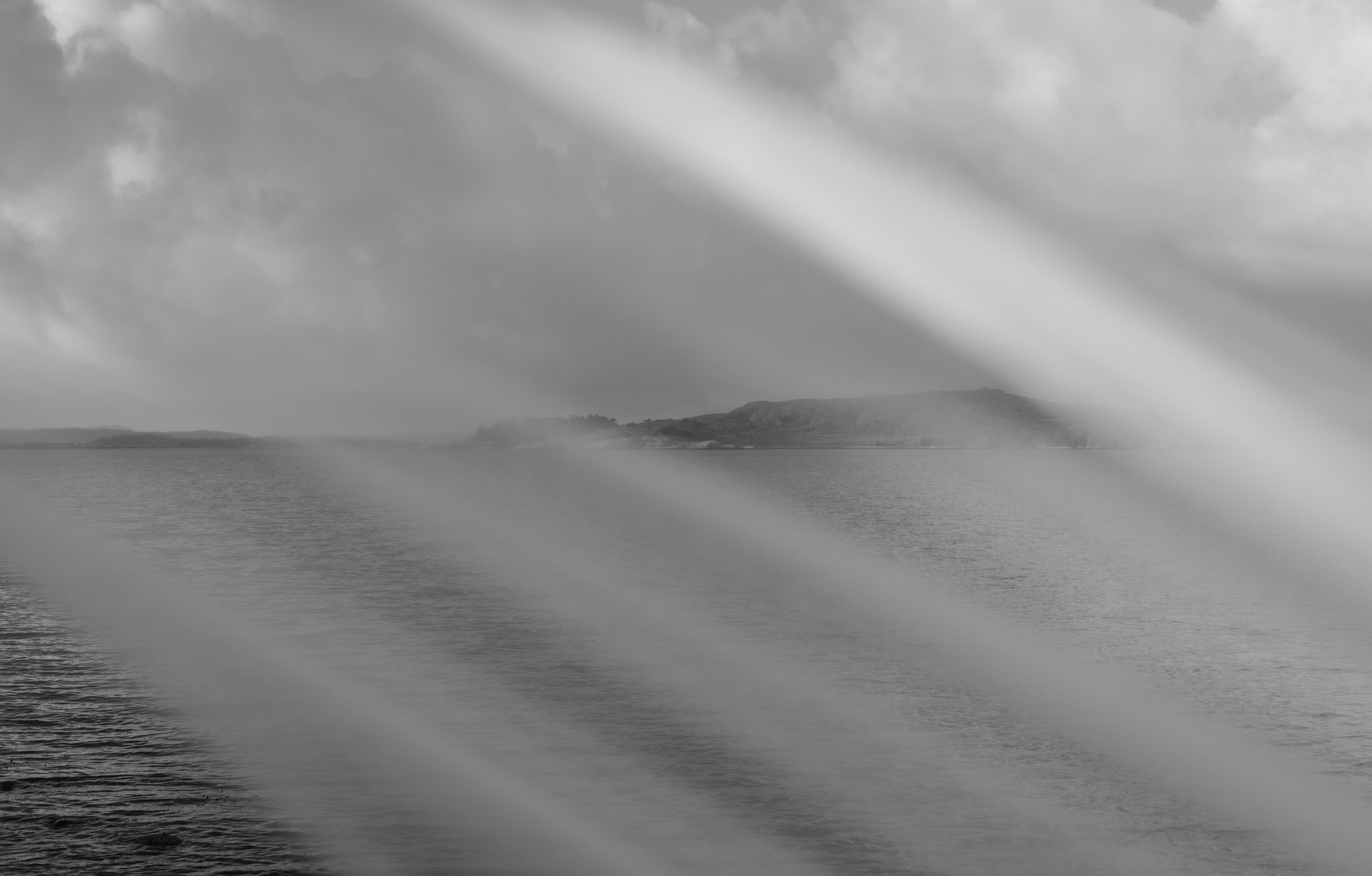
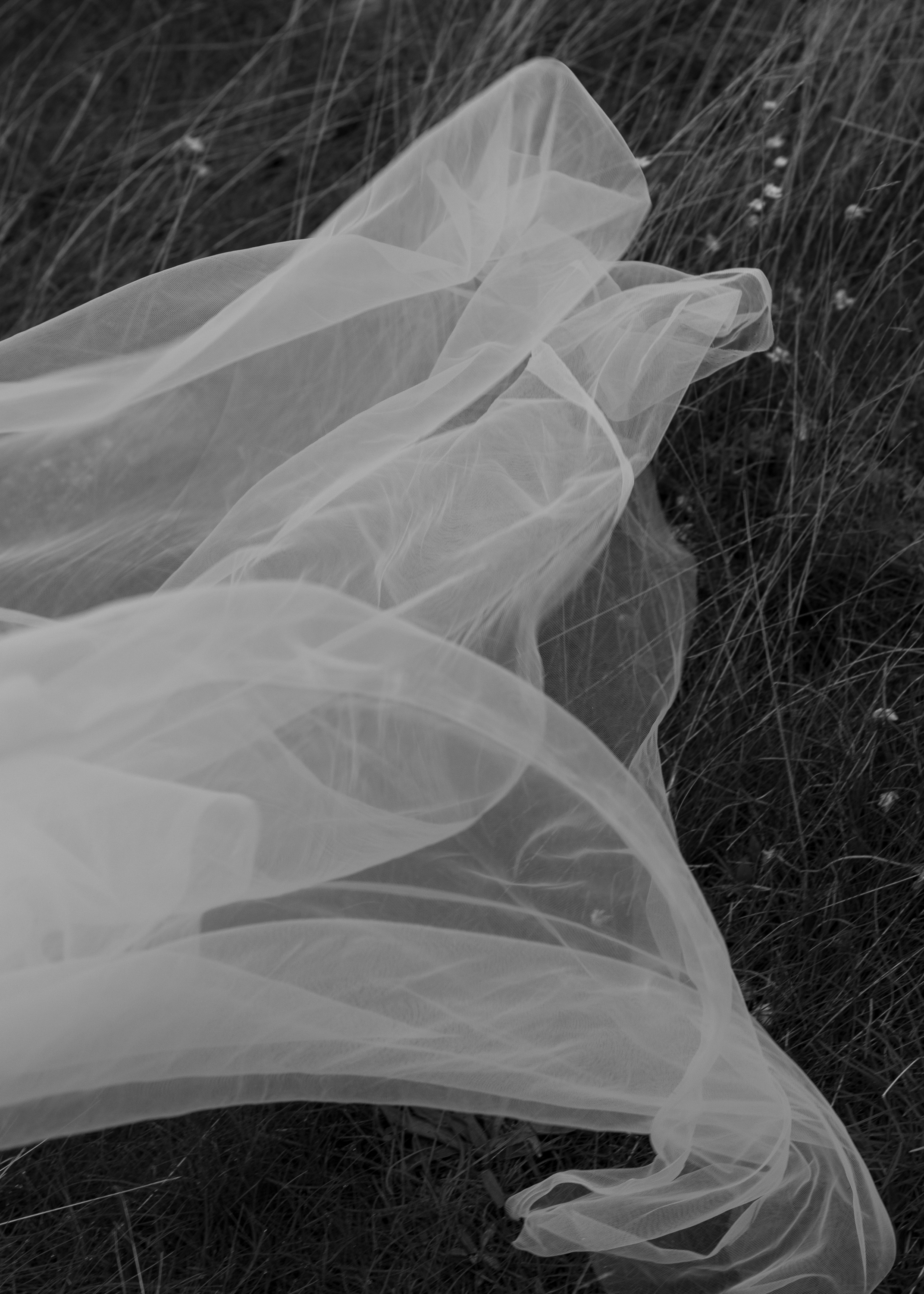
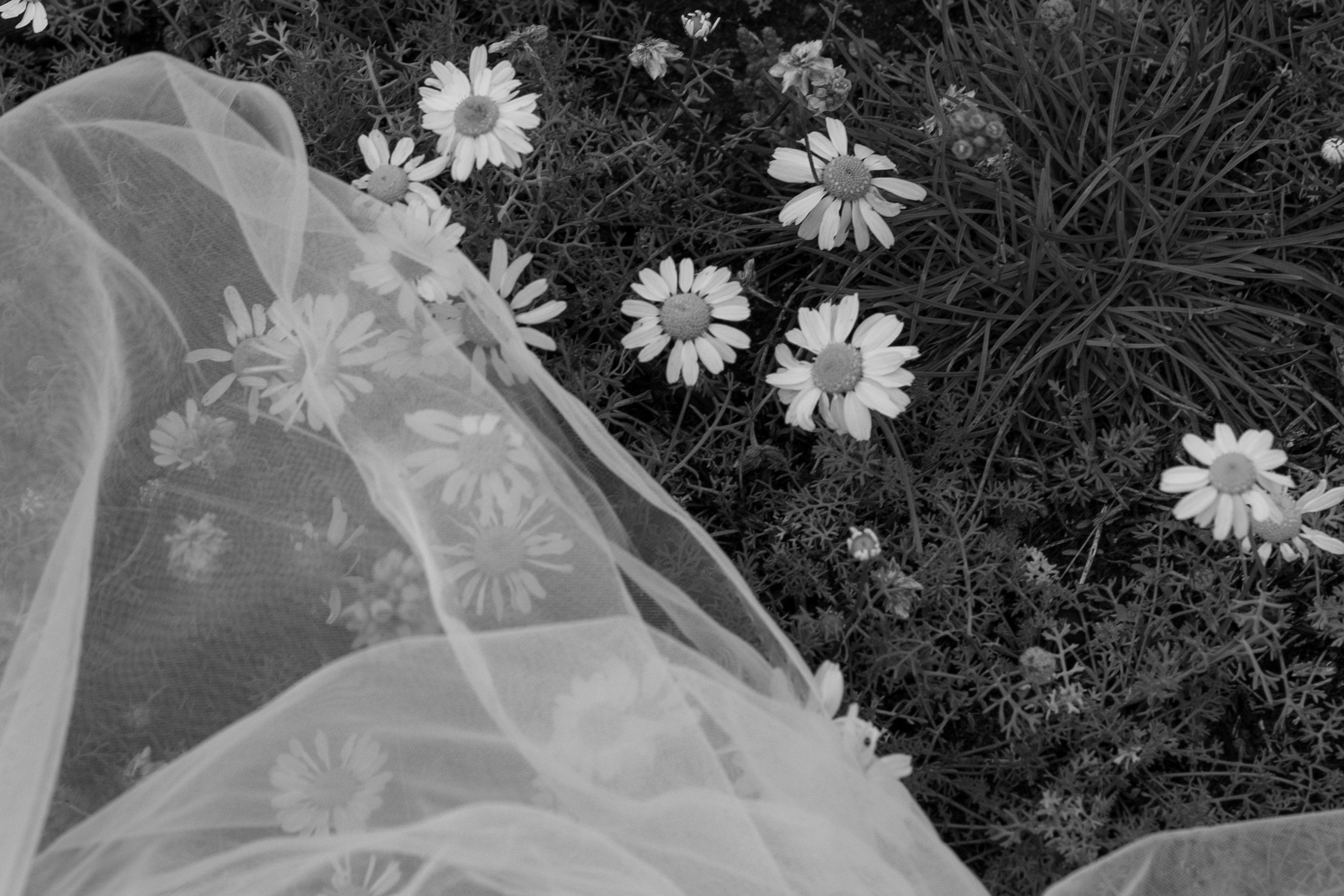
Ethereal and eerie are words I would use to describe these photographs. In some of them, I use a slow shutter speed and double exposure to create a surreal and mystical feeling, and I am increasingly moving toward abstract photography and representations of the characters and stories I want to portray.
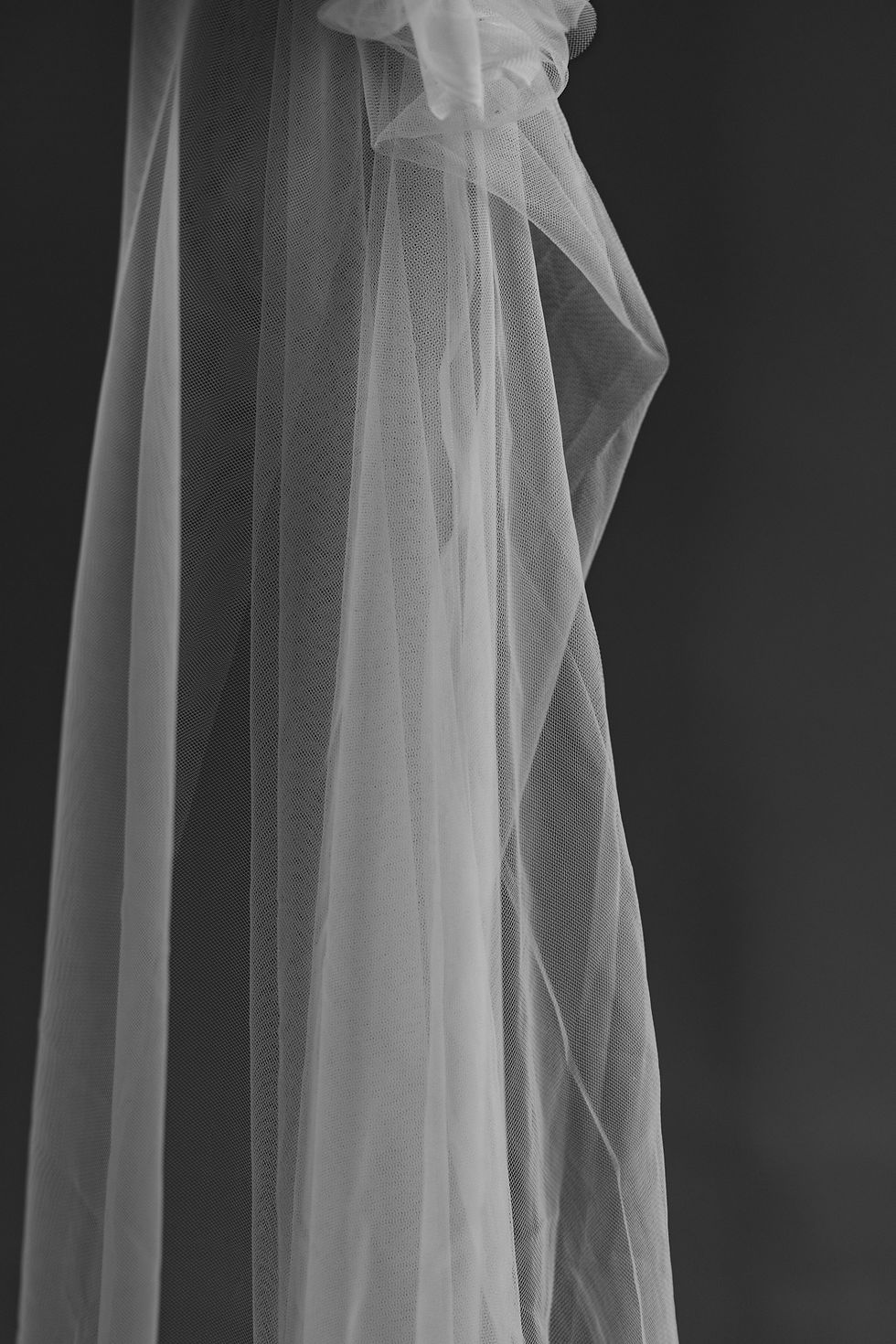
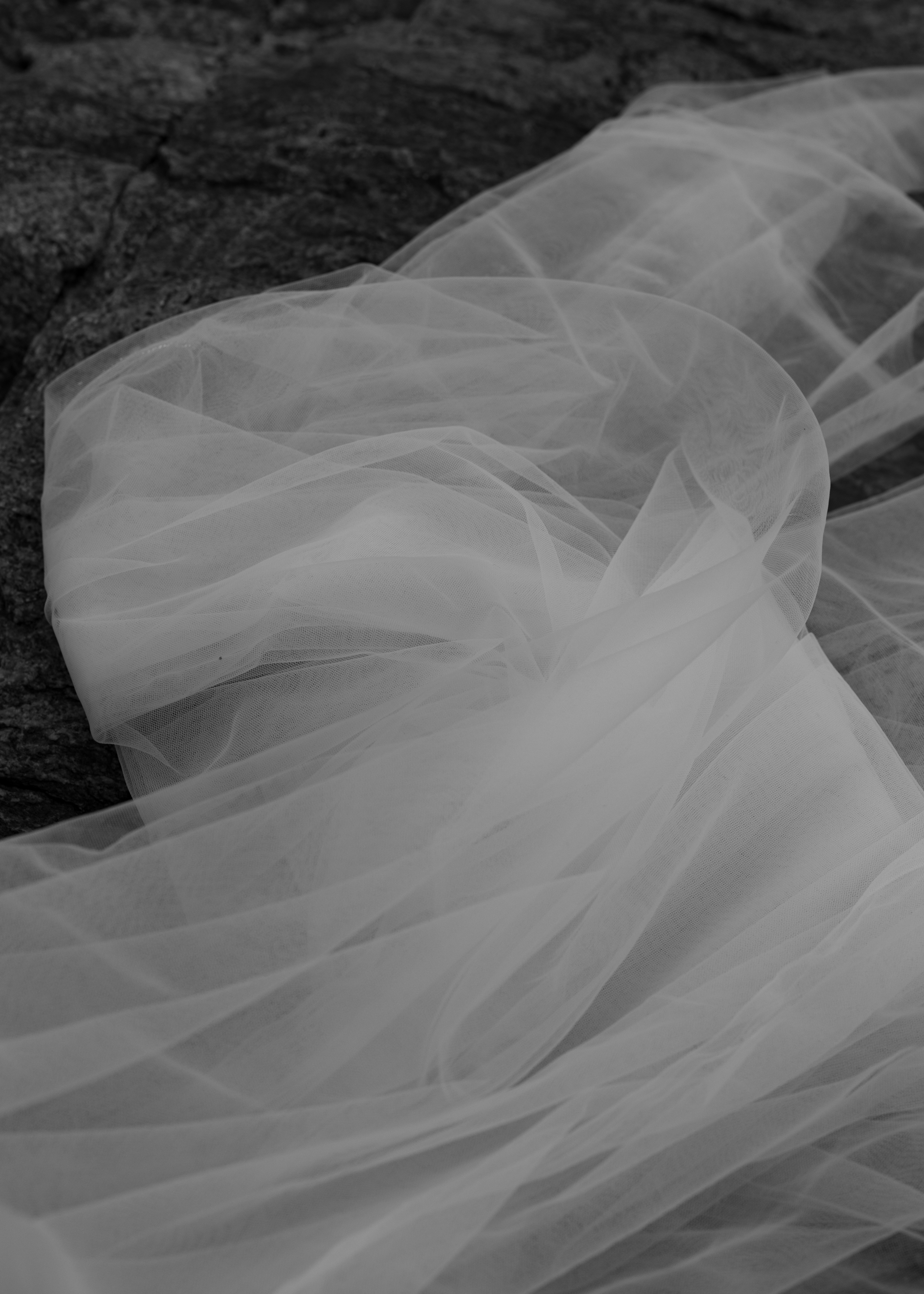
Since I love photographing flowers, all my character representations involve flowers in some way or another. The Phantom had a red rose, and Marzanna had a black rose and a flower wreath. The Lady in White has primarily white flowers and a white veil as symbols.




















THE CHARACTER AND INSPIRATION
Two music videos inspired this work: The Phantom of the Opera and Lady Gaga’s “Abracadabra.” The musical was the starting point of my Phantoms project, and the sentence guiding my dive into the liminal space between fantasy and reality, facts and stories, was this:
“In all your fantasies, you always knew that man and mystery were both in you.”
The words are from “The Phantom of the Opera” by Andrew Lloyd Webber. This sentence captures how we humans create stories and can invent things that didn’t exist before, thanks to our imagination of what could be. The ability to imagine, create fiction and art, and see things that don’t exist can bring joy and pleasure to people’s lives. But this imagination can also be nefarious, for example when we create stories about other people. The witch trials are especially important in this regard because they show exactly how this ability to create stories can be dangerous.
The information about the Lucia tradition and the witch trials below comes from memories, stories told throughout my life, and information gathered over the years. It is not meant to be a scientific report, even if I have tried to fact-check as much as possible.
Character: The Lady in White
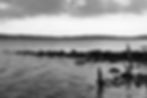
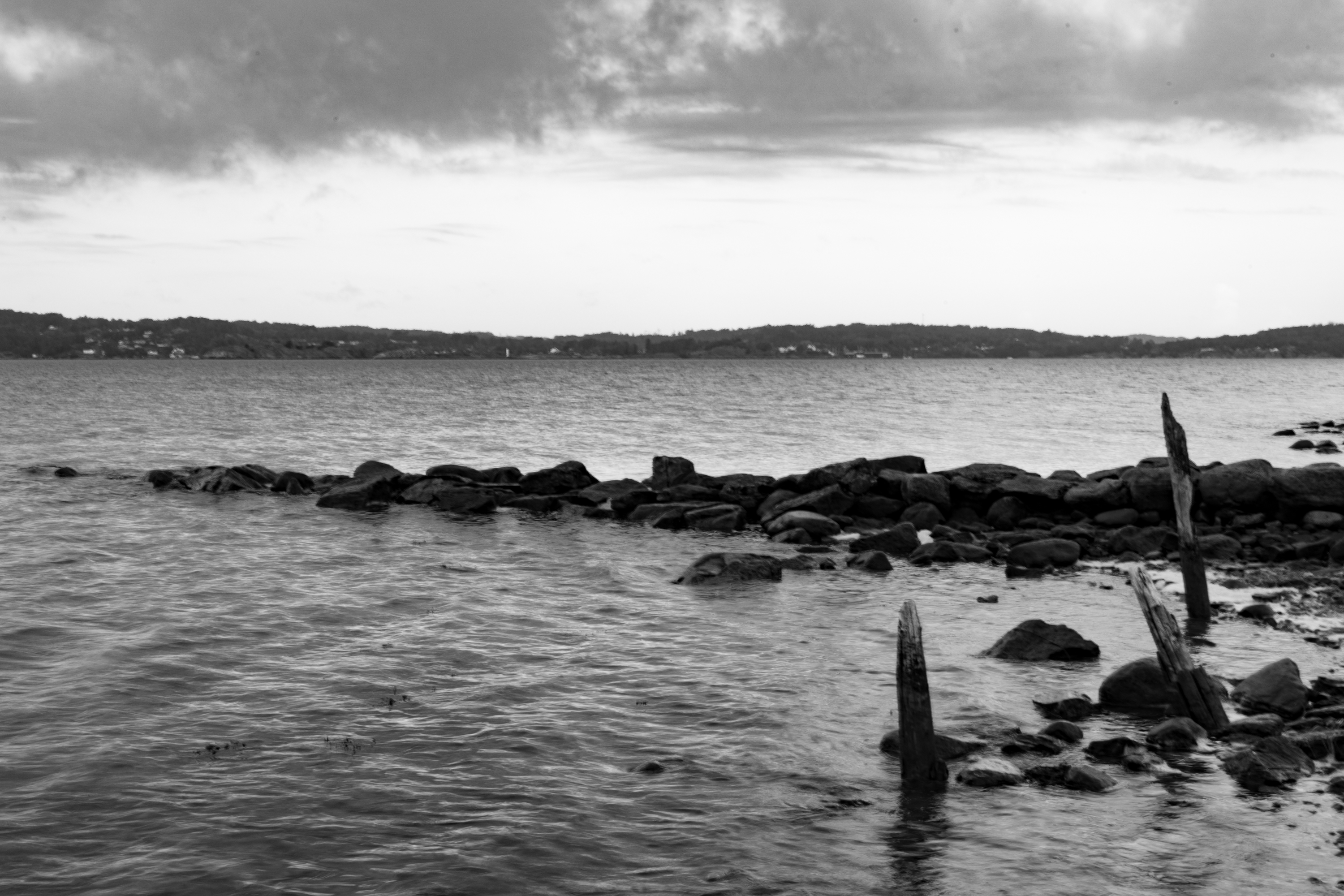
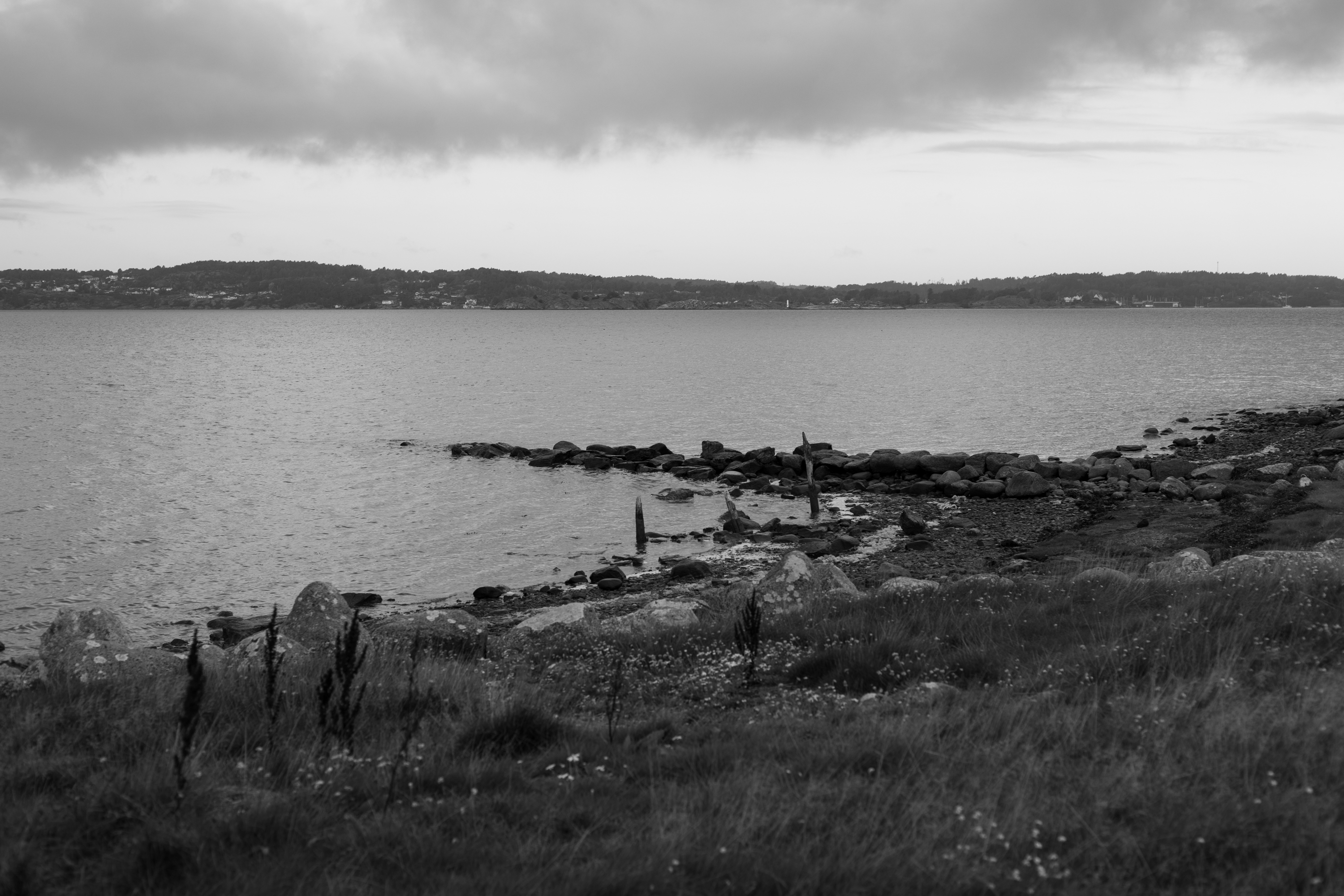
In my Phantoms project, I explore different fictional characters. This time, I wanted to visually represent whom I refer to as the Lady in White: a woman in a white dress, a ghostly figure. But also as a woman accused of being a demon and/or a witch. Her symbols are white flowers and a white veil, representing both her as a ghost and demon figure, as well as her innocence. Water and the Swedish Bohuslän coast are also significant in exploring this representation.
Ghost stories: lady in a white dress
I have heard several ghost stories about a woman in a white dress, as I imagine many of you have, too. These stories all inspired this character.
Lucia: a Swedish tradition of light
On December 13, we celebrate the Sicilian martyr Lucia, or Saint Lucy. In the celebration, a woman dressed in white, with a crown of candles, leads a procession of people dressed in white, carrying candles and singing songs. She is said to bring light in the darkest times.
As some readers might know, “bearer of light” is also the meaning of the name Lucifer. Long before modern Lucia celebrations, folklore surrounded the longest and darkest of winter nights, around December 13. People believed that supernatural and dangerous forces were especially active at this time of year. One figure connected to these beliefs was Lussi; in some traditions, Lucifer—the Devil. People stayed awake at night to protect their homes and animals from harm.
When Christianity became established in Sweden, these older beliefs gradually became connected with the celebration of Saint Lucia instead.
The Swedish witch trials -
Bohuslän coast and “Blåkulla”
The most intensive period of witch trials in Sweden was during 1669–1672; this period was known as “The Great Noise”, referring to the chaos, social disorder, and conflicts during this time. In Bohuslän, where I was born and raised and where my ancestors came from, the Great Noise was a little different from other parts of Sweden. Bohuslän had been Danish, and therefore still had Danish witchcraft laws, which allowed torture during the trials.
One form of torture was the swimming test, in which the accused would have her hands and feet tied together and thrown in water. If she floated, she was a witch and would be subjected to further torture to get a confession and then be sentenced to death.
Brattön
It was said that witches flew to “Blåkulla”, which in Bohuslän was believed to be the island Brattön. There, they would feast and attend a witches’ sabbat with the devil. During the trials, women were forced to confess to flying to Brattön/Blåkulla. In some of my photographs, there is an island far away in the distance that, when I was growing up, I was told was Blåkulla. I haven’t checked the geography, but the shape suggests it could be Brattön. It is the tallest cliff island in the Bohuslän archipelago. The tallest point reaches 131 meters above sea level.
Helga from Pilanna
One woman, Helga from Pilanna, was sentenced to death and killed on the island Tjörn. My ancestors on my father’s side lived on the island. Helga was a widow who had not accepted the usual order of leaving the care of the farm and fishing enterprise to a male relative after her husband’s death.
She was successful, and to people’s dismay, she wore pants. It was also frowned upon that she didn’t even wear a skirt over the pants to hide them. Her success was also highly suspicious. They concluded she must be a witch. Rumors circulated, and they accused and sentenced her after she underwent the swimming test, in which she reportedly “floated like a goose.” She was killed and burned at the stake at Sötången/Bränneberget on Tjörn.